How Long to Grill Burgers? 7 Exact Times & Temperature Guide for Perfect Doneness
How Long to Grill Burgers is the question that decides whether you serve juicy, flavorful patties—or dry, overcooked ones. When you understand heat, thickness, and timing together, grilling burgers becomes predictable instead of stressful.
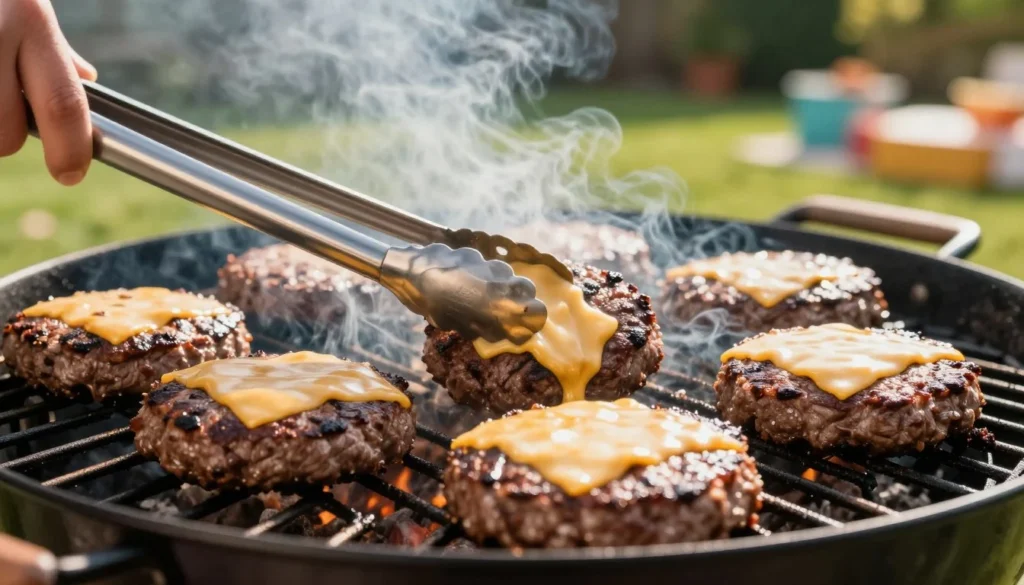
If you’ve ever wondered exactly how long to grill burgers for your preferred doneness, the answer depends on thickness, grill temperature, and whether you’re cooking over direct or two-zone heat. The good news? Once you learn the timing ranges and confirm with a thermometer, perfect burgers become repeatable.
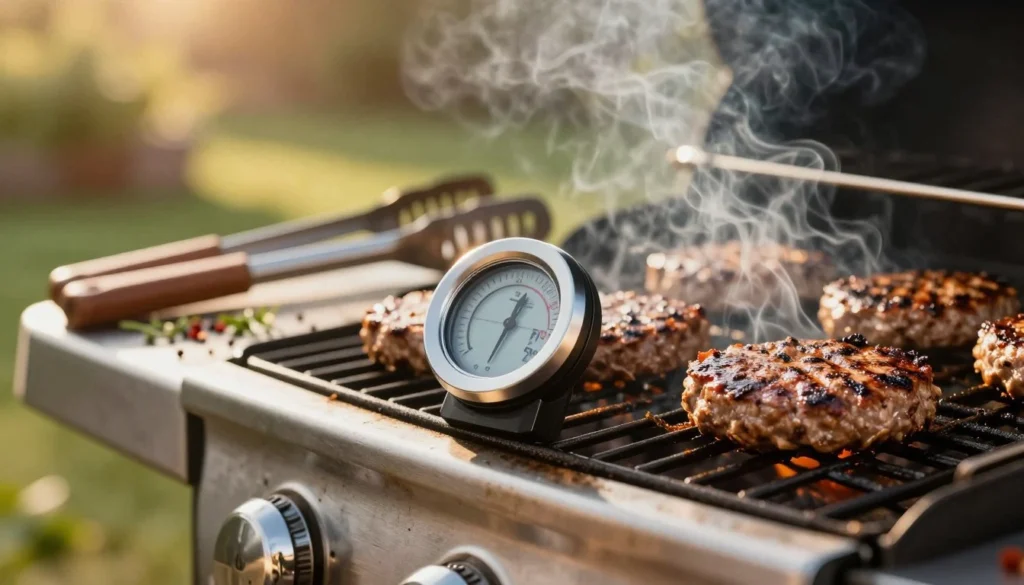
A thermometer removes guesswork. It also helps you understand carryover cooking—the slight temperature rise that happens after meat leaves the grill. That small detail alone can prevent overcooking.
Key Takeaways
- Cook time depends on thickness and heat level.
- Medium-high heat gives the best balance of crust and juiciness.
- Flip once for better structure and browning.
- Resting 3–5 minutes keeps moisture inside the patty.
- Use internal temperature—not color—as your guide.
Getting Your Grill Ready for Perfect Burgers
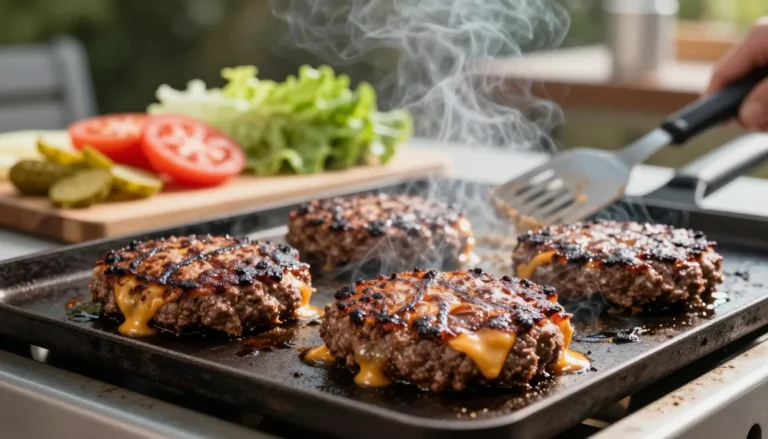
Before focusing on how long to grill burgers, make sure your grill is fully preheated. A properly heated grate prevents sticking and builds that rich browned crust that gives burgers their signature flavor. If you love a super-crisp sear, you’ll also like this smash burger technique guide—the heat control tips translate perfectly to grill grates.
Setting the Right Grill Temperature
For most backyard burgers, aim for medium-high heat—around 375–400°F at grate level. Too low, and the patties dry out before browning. Too high, and the exterior burns before the inside reaches the right temperature.
- 300–350°F: Better for thick patties that need gentle cooking.
- 350–400°F: Ideal for standard 3/4-inch patties.
- 400–450°F: Best for thinner burgers needing a quick sear.
Preparing Your Burger Patties
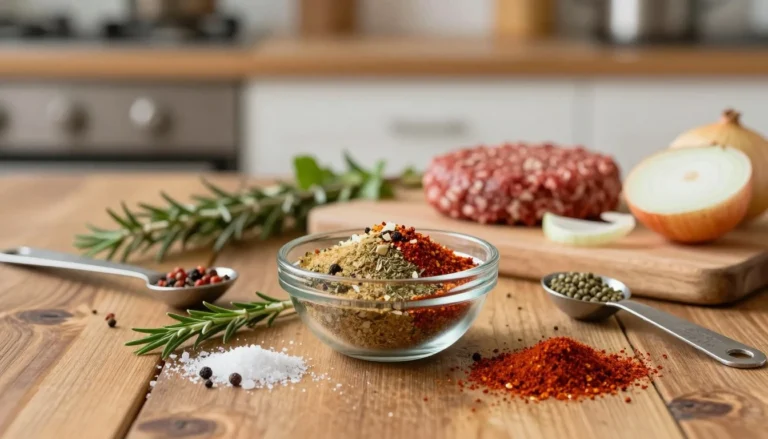
Thickness changes everything when deciding how long to grill burgers. A 3/4-inch patty cooks very differently than a thick steakhouse-style burger. For extra flavor without overthinking, you can season the patties with this quick smash burger seasoning mix (it works great on grilled burgers too).
Ideal Thickness and Weight
Most classic burgers are about 4–6 ounces and roughly 3/4 inch thick. Thinner patties cook faster and need close attention. Thicker patties require slightly longer cook times and sometimes indirect heat finishing.
Shaping and Seasoning Techniques
Form patties gently to avoid compacting the meat. Press a slight indentation in the center to prevent puffing. Season just before grilling so salt doesn’t draw moisture out too early.
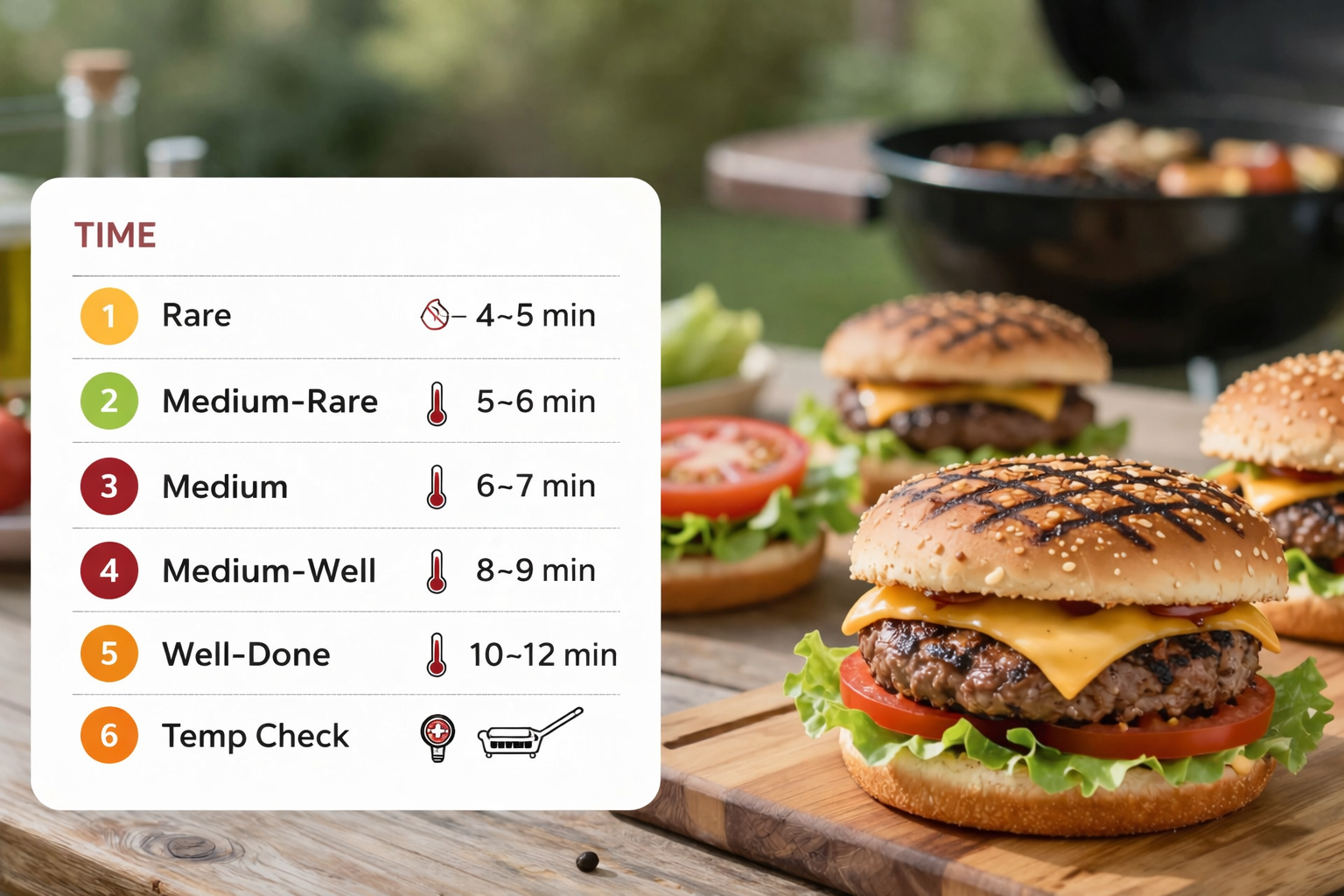
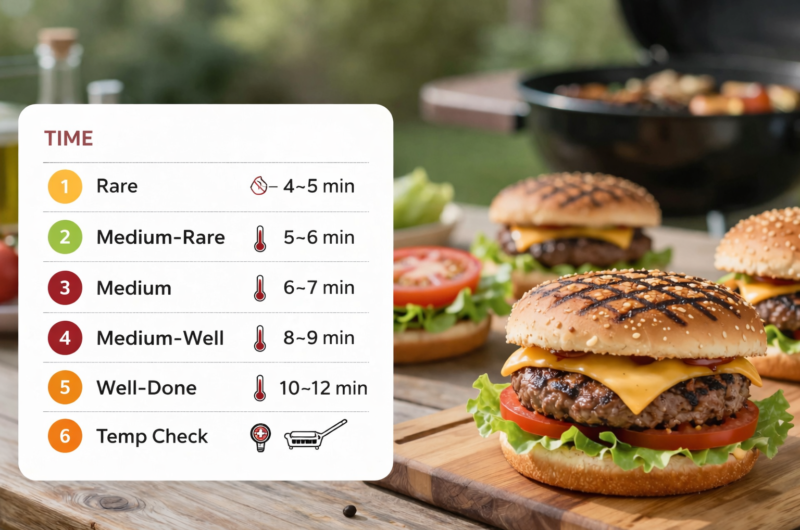
How Long to Grill Burgers: Complete Timing Guide by Doneness
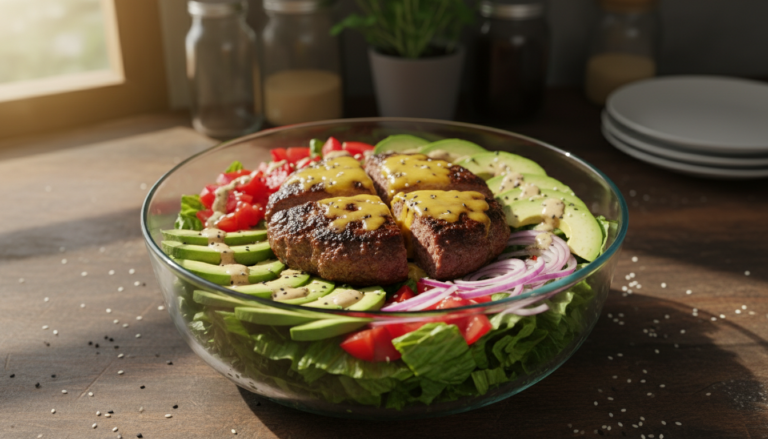
If you’re specifically asking how long to grill burgers for each doneness level, use these timing ranges as your starting point. Always verify with internal temperature for accuracy. Want a simple way to serve burgers without the bun? Try this healthy burger bowl—same timing, different (and lighter) finish.
Rare: 4–5 Minutes Total (120–125°F)
About 2–2.5 minutes per side over medium-high heat. Expect a very soft center and deep browning outside.
Medium-Rare: 5–6 Minutes Total (130–135°F)
Roughly 2.5–3 minutes per side. Juices begin to appear on the surface just before flipping.
Medium: 6–7 Minutes Total (140–145°F)
About 3–3.5 minutes per side. A balanced option with slight pinkness in the center.
Medium-Well: 8–9 Minutes Total (150–155°F)
Approximately 4–4.5 minutes per side. Use a cooler zone if browning too quickly.
Well-Done: 10–12 Minutes Total (160°F+)
5–6 minutes per side. Start with a sear, then finish over moderate heat to avoid toughness. Browning happens due to the Maillard reaction, which creates that rich grilled flavor.
Important adjustment tips: Thinner patties may cook 1–2 minutes faster. Thick patties may require an extra 1–3 minutes total and benefit from indirect heat finishing. Windy outdoor conditions can also slightly extend cooking time.
Key Grilling Techniques for Best Results
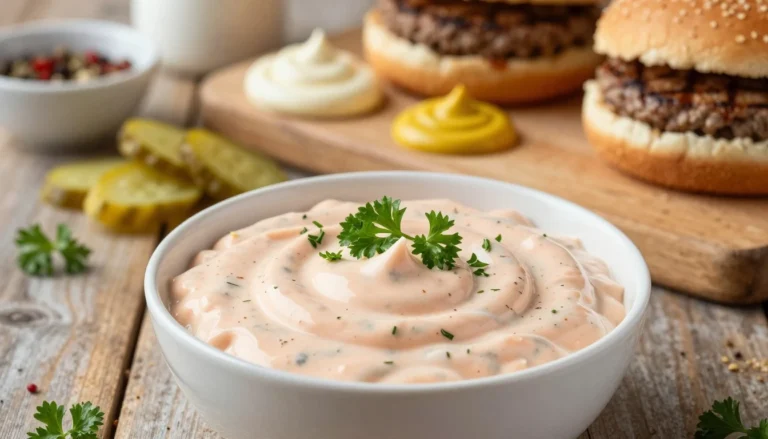
Even if you know exactly how long to grill burgers, technique still matters. Keep the lid closed for consistent heat, flip only once, and avoid pressing down with a spatula. For a “restaurant-style” finish, spread a little homemade burger sauce on the buns right before serving.
When to Flip
Flip when the patty releases naturally from the grates. If it sticks, give it another 30–60 seconds to finish searing.
Temperature Accuracy
Insert the thermometer from the side into the center. For ground beef, 160°F is the commonly cited guideline for full doneness.
Resting Time
Let burgers rest 3–5 minutes. This keeps juices inside and prevents them from running onto the bun.
Conclusion
Now you know how long to grill burgers for every doneness level—from rare to well-done. Control the heat, respect the timing, verify the internal temperature, and rest before serving. Do that consistently, and your backyard burgers will always taste intentional—not accidental.
For complete cookout planning, pair this guide with a crispy burger technique guide, a healthy burger bowl option, and a simple homemade burger sauce.
Quick Guide: Grill Burgers (Timing & Temperature)
Course: Sweets4
10
minutes8
minutes20 minutes
450 kcal
18
minutesIngredients
Ground beef (80/20 recommended)
Salt
Black pepper
Garlic powder (optional)
Burger buns (optional)
Oil for grates (optional)
Directions
- Preheat grill to medium-high heat and clean grates.
- Form 3/4-inch patties with slight thumbprint indentation.
- Season both sides just before grilling.
- Grill with lid closed, flipping once halfway through.
- Check internal temperature and cook to desired doneness.
- Rest 3–5 minutes before serving.
Notes
- Thickness affects timing. Insert thermometer from the side into the center. 160°F is the commonly cited full-doneness temperature for ground beef.
FAQ
What is the safest way to check doneness?
A fast digital thermometer inserted from the side into the center provides the most reliable reading.
Does thickness change how long to grill burgers?
Yes. Thicker patties require more total time and sometimes indirect heat finishing, while thin patties cook much faster and require closer monitoring.