Chicken and Rice Crockpot Recipe: 5 Easy Expert Tips
This Chicken and Rice Crockpot Recipe works because it treats the slow cooker as a controlled braising environment, not a passive appliance. The liquid ratio, rice variety, and cook time each play a specific role in the final texture, and understanding those roles is what separates a satisfying dinner from an overcooked pot of starch.
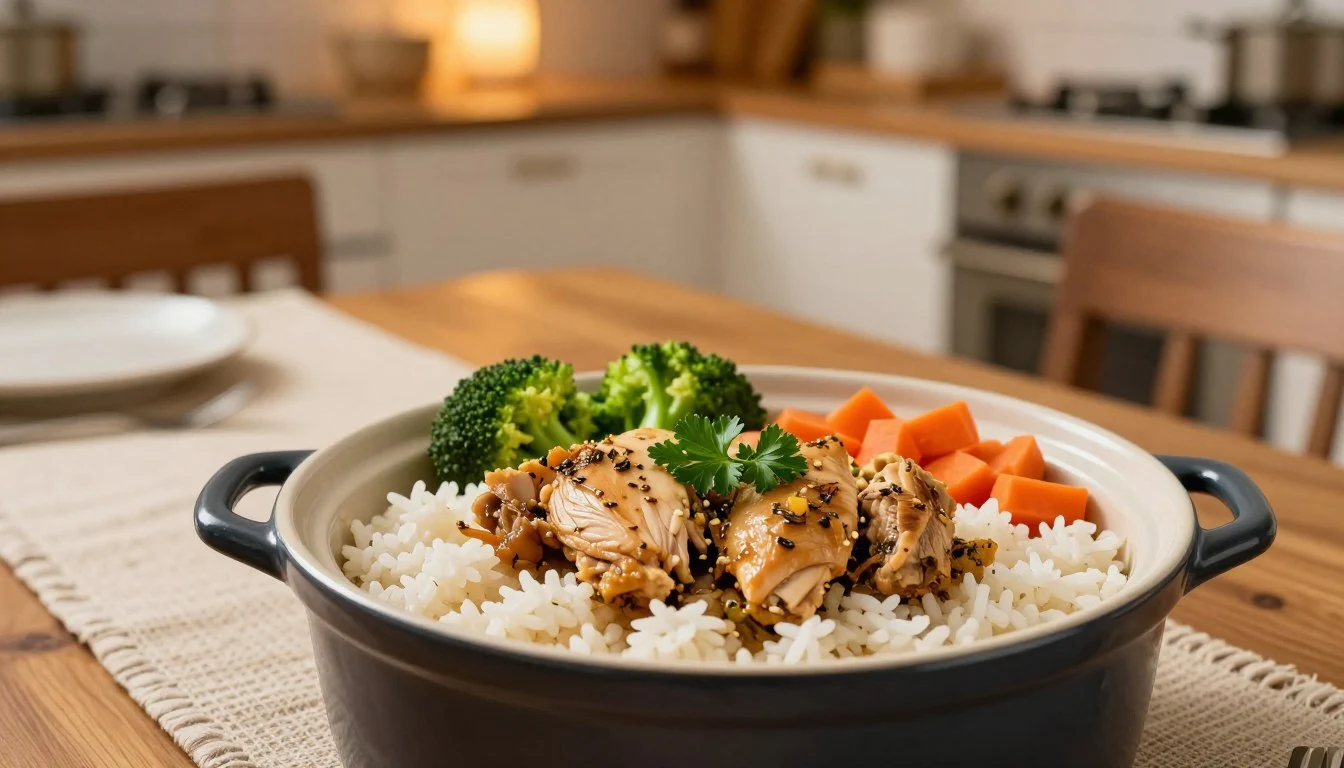
The slow cooker generates steady, moist heat that works well with both proteins and starches — but only when the balance is right. Too much liquid softens the rice past the point of recovery. Too little and the grains cook unevenly near the edges. Getting this right means measuring broth precisely and resisting the urge to lift the lid during cooking.
What makes this Chicken and Rice Crockpot Recipe practical is the single-vessel approach. There is no searing step required, no separate pot for the rice, and no last-minute finishing work that stacks up when the evening gets compressed.
Key Takeaways
- Use long-grain or parboiled rice for the most reliable texture in the slow cooker.
- Chicken thighs stay juicier through longer cook times; breasts need closer timing control.
- Broth, aromatics, and seasoning should flavor the rice as much as the chicken.
- Keeping the lid closed maintains the steam pressure needed for even rice absorption.
- Chicken must reach 165°F at the thickest part before serving.
- Leftovers reheat best with a small splash of broth to restore moisture to the rice.
Why This Chicken and Rice Crockpot Recipe Holds Up on Weeknights
Most slow-cooker rice dishes fail at the texture stage. The rice absorbs liquid unevenly, or the chicken releases too much moisture during cooking and turns the rice from tender to saturated. Solving both problems starts before the lid goes on.
Choosing the Right Rice
Long-grain white rice and parboiled rice both contain lower surface starch than short-grain or medium-grain varieties. That structural difference matters in a slow cooker, where extended moist heat would otherwise break down higher-starch grains into a dense, gummy mass. Parboiled rice is especially forgiving because partial precooking has already set the starch granules, making it harder to overcook even with minor timing variation. This is one reason this Chicken and Rice Crockpot Recipe consistently produces clean, separate grains rather than a starchy block.
Brown rice is a workable substitute but requires approximately 30 extra minutes and an additional half cup of broth. The result is firmer and slightly chewier than white rice, which suits some preferences but changes the overall texture of the dish.
Chicken Cut Selection and What It Affects
Boneless chicken thighs contain intramuscular fat that insulates the protein from drying out under sustained heat. This makes them the lower-risk option for a four-hour cook. The fat also contributes body to the cooking liquid, which the rice absorbs as it cooks.
Chicken breasts are leaner and reach their ideal texture earlier. In a slow cooker, the window between properly cooked and dry can be narrow, particularly in models that run hotter. If using breasts in this Chicken and Rice Crockpot Recipe, check the internal temperature at the three-hour mark rather than waiting the full four hours.
How Broth Builds Flavor in the Rice
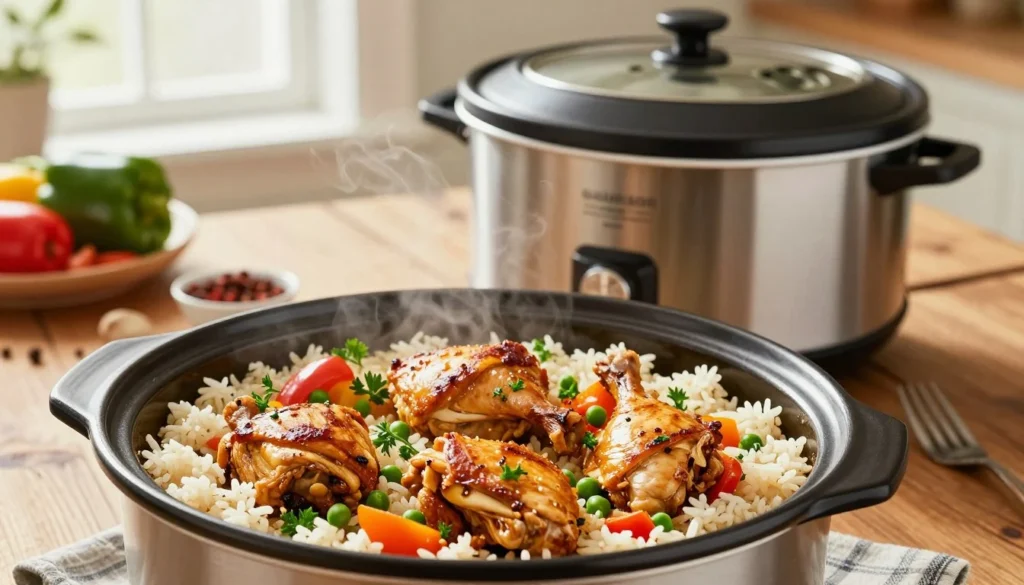
Plain water produces edible rice, but low-sodium chicken broth adds glutamates and natural gelatin that the rice absorbs as it swells. The result is a more cohesive, savory flavor throughout the dish rather than seasoned chicken sitting on bland rice. Low-sodium broth is the better choice here because the rice concentrates the salt content as liquid reduces during cooking.
Aromatics like minced garlic, diced onion, and celery or carrot contribute additional depth without adding weight. They soften completely during the cook and become nearly indistinguishable from the rice itself, which is the intended effect. Their role is background flavor, not texture contrast. Understanding this dynamic is what makes the Chicken and Rice Crockpot Recipe taste seasoned throughout rather than only at the surface.
Chicken and Rice Crockpot Recipe: Ingredients and Instructions
Every ingredient in this recipe has a specific function. The chicken provides richness and protein structure, the rice serves as the starch base that absorbs the cooking liquid, the broth carries seasoning throughout the pot, and the butter added at the end raises the fat content just enough to smooth the texture without making the dish heavy.
What You’ll Need
Boneless thighs or breasts both work, though they require slightly different timing considerations as noted above. For the rice, stick to long-grain white or parboiled — not instant rice, which turns to mush, and not short-grain, which releases too much starch under extended heat.
Main Ingredients
- Chicken that maintains structure through slow, moist heat.
- Long-grain white rice or parboiled rice for stable texture.
- Low-sodium chicken broth as the primary cooking liquid.
- Optional vegetables that soften evenly and contribute background flavor.
Seasonings and Aromatics
- Salt and black pepper applied directly to the chicken surface before cooking.
- Garlic powder and onion powder for distributed seasoning rather than concentrated pockets.
- Dried thyme, which holds up better than fresh herbs under extended slow-cooker heat.
- Unsalted butter added before the lid goes on, which emulsifies into the broth.
- Fresh parsley added only at serving time, preserving its brightness and color.
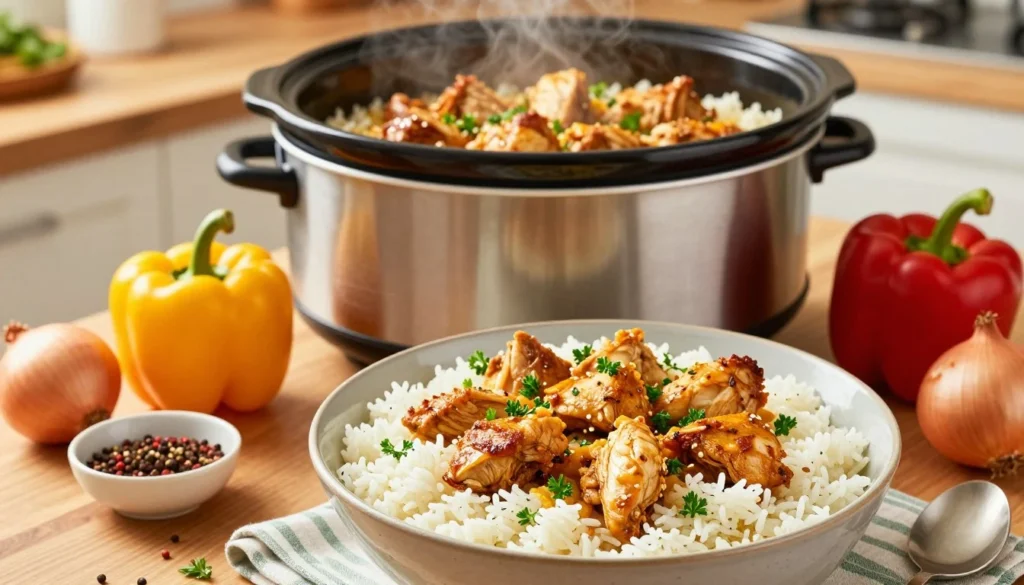
Step-by-Step Cooking Instructions
Uniform chicken piece size matters more than most people assume. Uneven pieces create uneven doneness — the thinner ends overcook while the thicker centers are still approaching temperature. Trim or portion the chicken so all pieces are roughly the same thickness before seasoning.
Rinsing the rice removes excess surface starch, which would otherwise cloud the cooking liquid and contribute to stickier, clumpier grains. Run cold water over the rice in a fine-mesh strainer until the water runs visibly clearer — not perfectly clear, but noticeably less milky. This single prep step improves the final texture of any Chicken and Rice Crockpot Recipe more than most other adjustments.
Preparing Your Ingredients
Season the chicken on both sides rather than relying on the broth alone to carry flavor into the meat. Direct seasoning on the surface builds a more concentrated flavor layer that survives the dilution effect of slow cooking. Cut vegetables to a uniform small dice so they finish at the same time as the rice.
Layering Everything in Your Slow Cooker
- Place aromatics and vegetables on the bottom so they stay submerged in liquid throughout cooking.
- Set the seasoned chicken on top so it bastes in the liquid without resting on dense vegetables.
- Spread the rinsed rice evenly around the chicken so it absorbs liquid uniformly from all sides.
- Pour broth over the rice, add butter, then close the lid and leave it undisturbed.
Cooking Time and Temperature Settings
Low heat for four hours produces the most reliable results across most standard slow cooker models. The low setting keeps the liquid at a gentle simmer rather than a rolling boil, which would rupture the rice grains and turn the dish starchy. For food safety guidance on poultry, see chicken as food. Every slow cooker runs slightly differently — start checking at three and a half hours on your first attempt to calibrate for your specific appliance.
Technical Tips for Better Results
- Do not use the high setting: High heat cooks the exterior of the rice before the center absorbs enough liquid, producing a gritty, uneven texture.
- Resist opening the lid: Each lid lift drops the internal temperature significantly and adds meaningful time to the effective cook cycle of this Chicken and Rice Crockpot Recipe.
- Rest before serving: A five-minute uncovered rest allows residual steam to redistribute, which loosens any rice stuck to the sides and firms up the overall consistency.
Conclusion
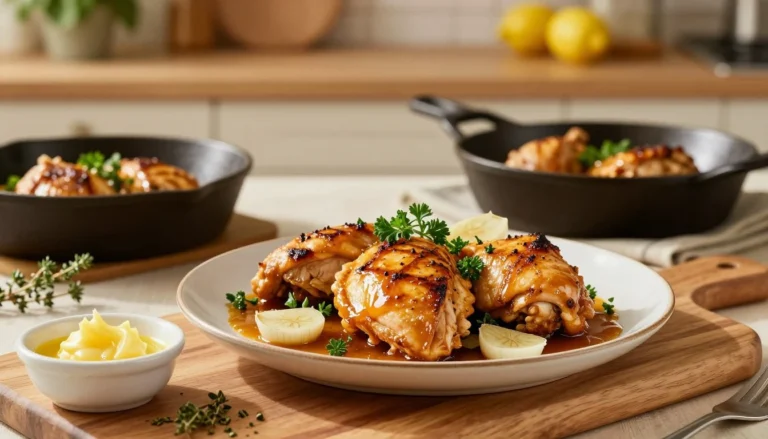
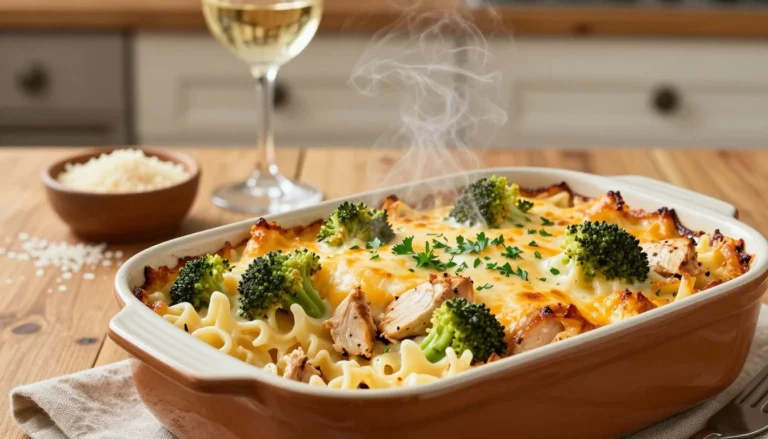
A well-executed Chicken and Rice Crockpot Recipe comes down to three controllable variables: the right rice, precise broth measurement, and protected cook time. Manage those correctly and the result is a complete, satisfying dinner with minimal active effort. For related slow-cooker cooking, the Slow Cooker Honey Mustard Chicken uses a similar hands-off method with a different flavor profile. If you want a richer, cream-based chicken dish, Creamy Tuscan Chicken Pasta is a strong stovetop alternative that shares several pantry ingredients with this recipe.
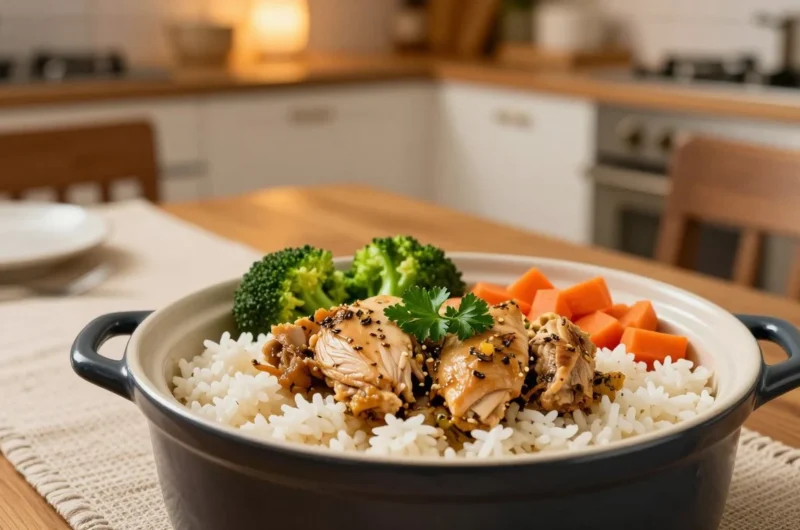
Chicken and Rice Crockpot Recipe
Course: Dinners4
servings15
minutes4
hours430
kcal255
minutes4
hours15
minutesIngredients
1 ½ pounds boneless skinless chicken thighs or chicken breasts
1 cup uncooked long-grain white rice
2 ½ cups low-sodium chicken broth
1 small yellow onion, finely chopped
2 garlic cloves, minced
1 cup diced carrots or celery (optional)
1 tablespoon unsalted butter
1 teaspoon kosher salt
½ teaspoon freshly ground black pepper
½ teaspoon garlic powder
½ teaspoon onion powder
½ teaspoon dried thyme
1 tablespoon fresh parsley, chopped (for garnish)
Directions
- Season the chicken with salt, black pepper, garlic powder, onion powder, and dried thyme.
- Add chopped onion and optional vegetables to the bottom of the slow cooker.
- Place the seasoned chicken on top of the vegetables.
- Rinse the rice under cold water until the water runs mostly clear.
- Spread the rice evenly around the chicken inside the crockpot.
- Pour the chicken broth over the rice and add the butter.
- Cover and cook on LOW for about 4 hours until the rice is tender and the chicken is fully cooked.
- Check that the chicken reaches an internal temperature of 165°F (74°C).
- Let the dish rest for 5 minutes, fluff the rice gently, then garnish with chopped parsley before serving.
Notes
- Visual doneness cue: the rice should be tender and fluffy, and the chicken should slice easily without any pink in the center.
- Food safety tip: chicken must reach an internal temperature of 165°F (74°C) before serving.
- Common mistake: adding too much liquid can make the rice mushy. Measure broth carefully.
- Rice tip: long-grain white rice or parboiled rice works best in slow cookers because it holds its shape better.
- Storage: store leftovers in an airtight container in the refrigerator for up to 4 days.
- Reheating: add a small splash of broth or water when reheating to keep the rice soft.
- Variation idea: add peas, mushrooms, or spinach during the last 20 minutes of cooking for extra vegetables.
FAQ
Can I use brown rice instead of white rice in this chicken and rice crockpot recipe?
Yes, but brown rice needs roughly 30 additional minutes and an extra half cup of broth to cook through properly. It produces a firmer, chewier texture than long-grain white rice and is less forgiving if the timing runs long.
Is it safe to use frozen chicken directly in the slow cooker?
Thawing first is the safer approach. Frozen chicken extends the time the meat spends in the temperature danger zone between 40°F and 140°F, which creates a food safety risk and also produces uneven cooking throughout the dish.
How can I prevent the rice from becoming mushy?
Use long-grain or parboiled rice, measure the broth precisely, and keep the lid closed throughout cooking. Excess liquid and extended steam exposure are the two most common causes of rice breaking down beyond tender into soft and dense.
Can I use chicken thighs instead of breasts?
Thighs are the stronger choice for this method. Their higher fat content protects the muscle fibers from drying out during a long, slow cook, and the fat contributes flavor to the broth that the rice absorbs.
How should I store leftovers?
Transfer cooled leftovers to an airtight container and refrigerate for up to four days. The rice firms up considerably after chilling, so adding a small amount of broth before reheating restores moisture without making the dish watery.